
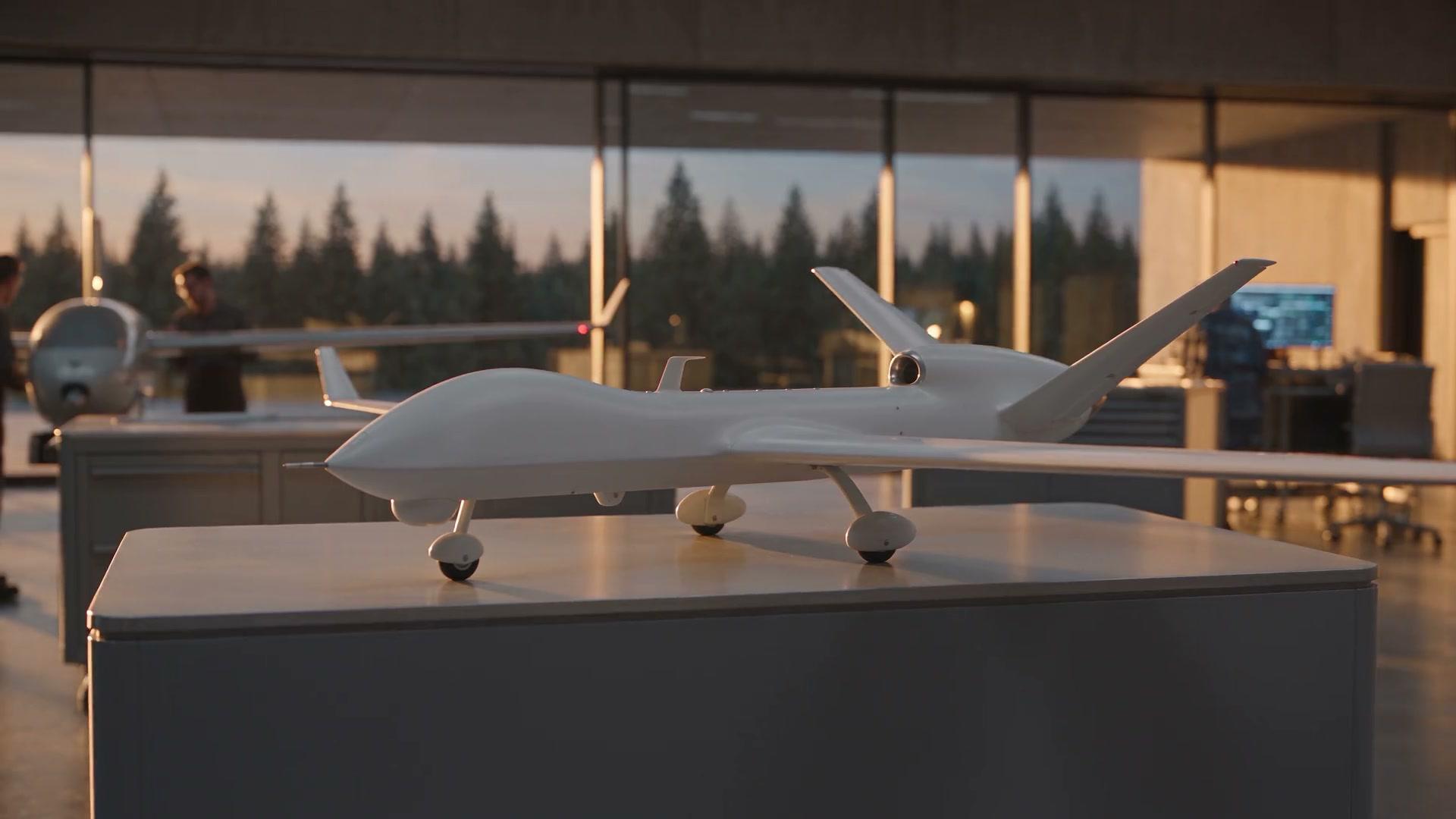
Moving an idea forward rarely means moving in a straight line. A prototype can raise a new research question. A test can change a design. A manufacturing requirement can send a team back to the workbench.
The Keystone Heights Innovation & Defense Campus vision makes that loop central to its approach.
Start with the mission
The first question is practical: what do innovators, operators, and manufacturers need to accomplish?
Understanding those requirements helps shape the conversation about facilities, technical environments, and the people who might use them. A useful ecosystem begins with the work it is intended to support.
Build the right conditions
The proposed campus brings research, development, testing, and manufacturing into a connected framework. The intention is to create room for collaboration across those disciplines rather than treating them as separate, unrelated activities.
Workforce pathways belong in that framework too. Technical learning and industry needs can inform one another as plans develop.
Keep the loop moving
In the Keystone model, testing is a source of feedback. What a team learns should inform the next design, the next question, and the next decision.
That ambition must be paired with responsible planning. Testing activities, facilities, and access would depend on operational requirements, safety procedures, appropriate agreements, and applicable approvals.
Bring the requirements, not just the idea
For teams interested in the campus, a conversation can begin with three things:
- The problem or mission you are working on.
- The environments, capabilities, and collaborators you need.
- The questions that would help you evaluate a potential fit.
Those details make the next conversation more useful. Explore the approach or contact the project team.
This is a perspective on the proposed campus model, not an announcement of completed facilities, available services, or confirmed program dates.